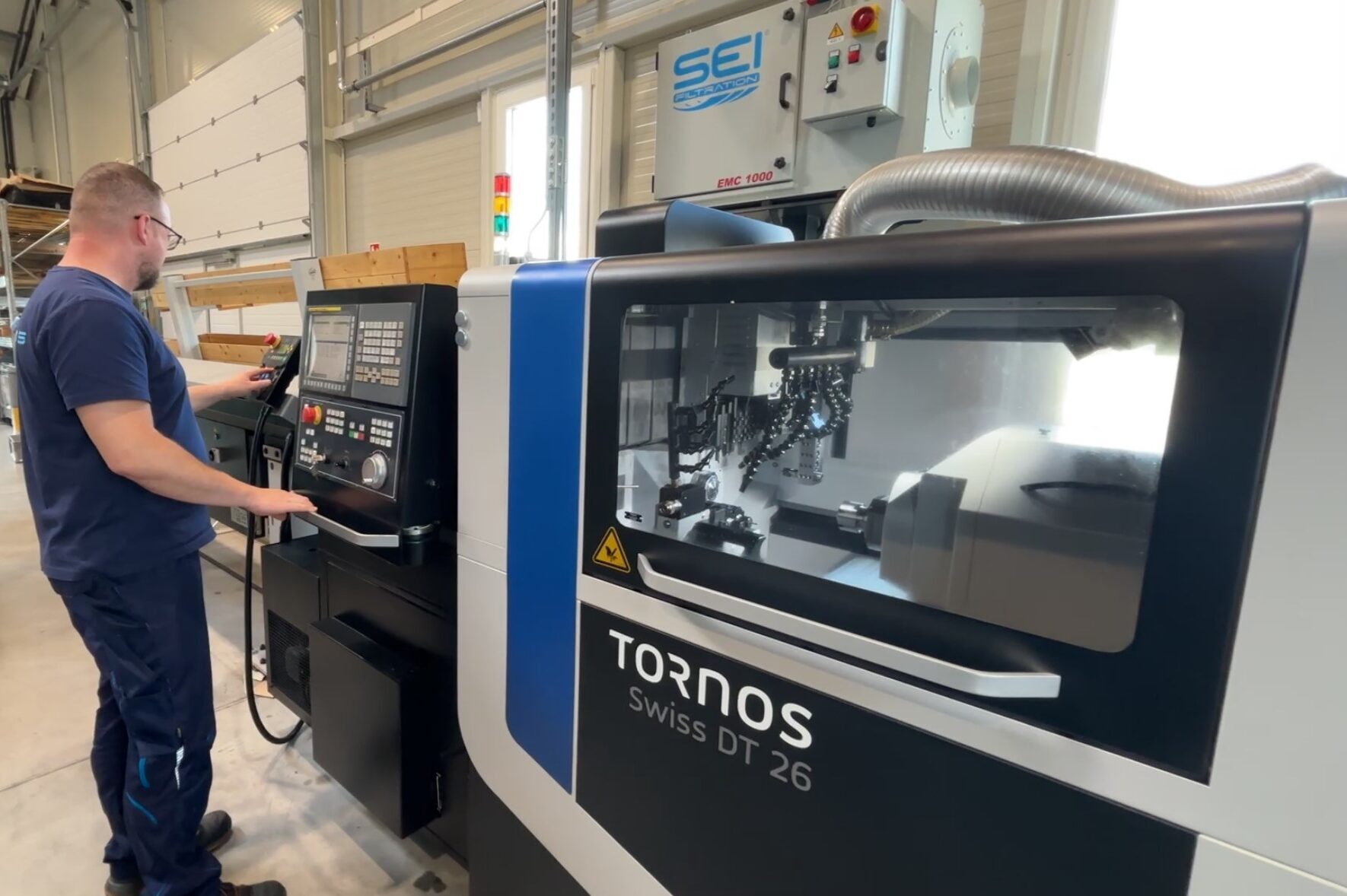
The economic challenges of recent years have also affected metalworking and manufacturing companies. Fluctuating energy prices, rising raw material costs and unpredictable order volumes have made efficiency in metalworking a key priority. Companies need to rethink their operations in order to maintain their competitiveness.
The good news, however, is that improving efficiency does not necessarily require major investments. In many cases, it starts with informed decision-making and the optimization of manufacturing processes.
In many manufacturing facilities, one of the greatest untapped opportunities lies in improving machine utilization. Manufacturing equipment often stands idle not because there is a lack of work, but due to inefficient production planning or excessive setup times. In addition, missing components, tools and unexpected technical breakdowns can result in significant losses.
One of the simplest ways to improve metalworking efficiency is to reduce downtime. Preventive maintenance and fast, professional service support biztosításának.
In custom part manufacturing, selecting the right technological solution is often a significant challenge. Engineers have to make daily decisions about which material is best suited for a particular component, which machining technology offers the greatest cost efficiency, and how cycle times can be reduced.
A professional partner can provide valuable support in making these decisions—not only by supplying machines or equipment, but also by providing technological expertise and practical experience. The right industrial know-how can often lead to significant savings in both time and costs.
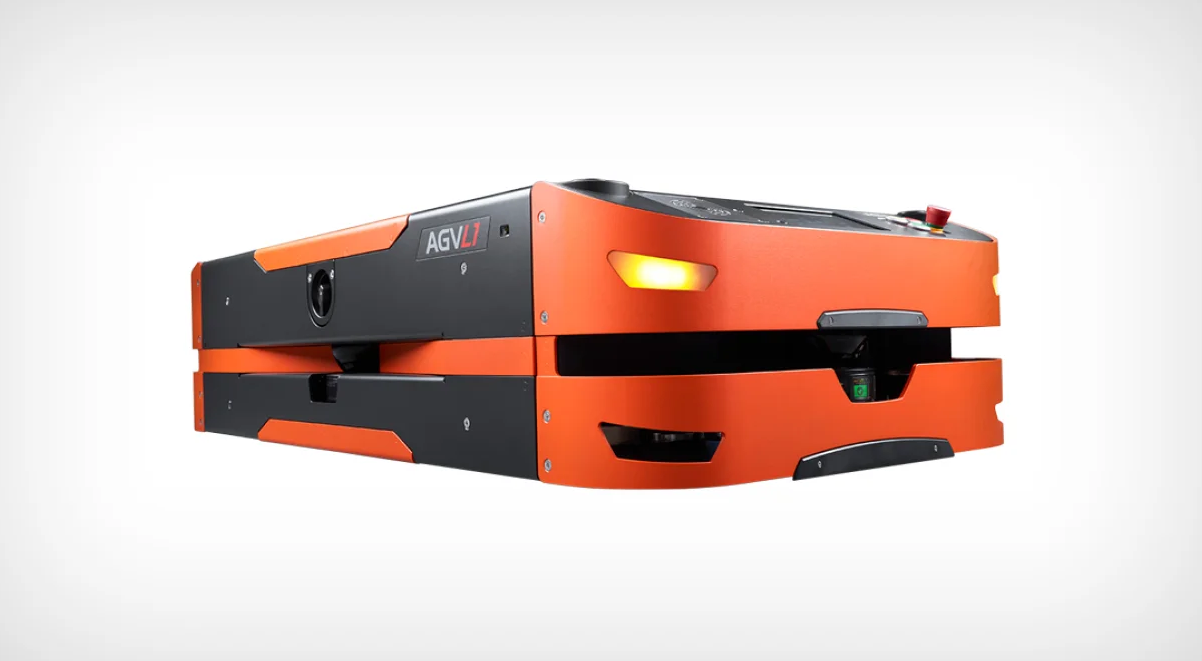
Automation is one of the key pillars of modern manufacturing. Advanced systems such as automatic bar feeders,, coolant filtration systems, extraction systemsand automated material handling can significantly reduce the need for manual intervention.
The result:
Most manufacturing facilities focus primarily on the machines and the production technology itself, while an important factor is often overlooked: workplace air quality. Oil mist, fine metal particles, fumes and various contaminants generated during machining can have a negative impact not only on employees’ health but also on the production process itself.
The consequences of inadequate extraction:
What professional extraction systems can deliver:
Improving air quality is therefore not merely an “extra”; it is a factor that directly contributes to production efficiency.
Efficient operations depend on having a supplier that provides ongoing technical support, helps resolve unexpected issues, and offers reliable, predictable support over the long term. This is particularly critical when it comes to sourcing manufacturing equipment, servicing and maintaining machinery, and ensuring the necessary technological expertise and infrastructure.
Although the current economic climate is prompting many companies to exercise caution, the most successful businesses continue to focus on internal improvements and process optimization. Improving metalworking efficiency is not only about reducing costs in the short term, but also about enabling a company to operate more reliably and predictably in the future.
Although the current economic climate is prompting many companies to exercise caution, the most successful businesses continue to focus on development and optimization.
Improving efficiency is not only about reducing costs, but also about enabling the company to operate more reliably and predictably in the future.
The Premium-S team has been helping metalworking companies develop more efficient and stable production processes for more than 20 years.
Our services include:
Our goal is to be more than just a supplier to our partners—we strive to be a long-term technical partner they can rely on.
Get in touch with us, and our team of experts will help you identify opportunities to improve metalworking efficiency in your facility.